
Stay updated with the latest travel news, destination updates, airline changes, travel advisories, and tourism stories from around the world.

Latest News
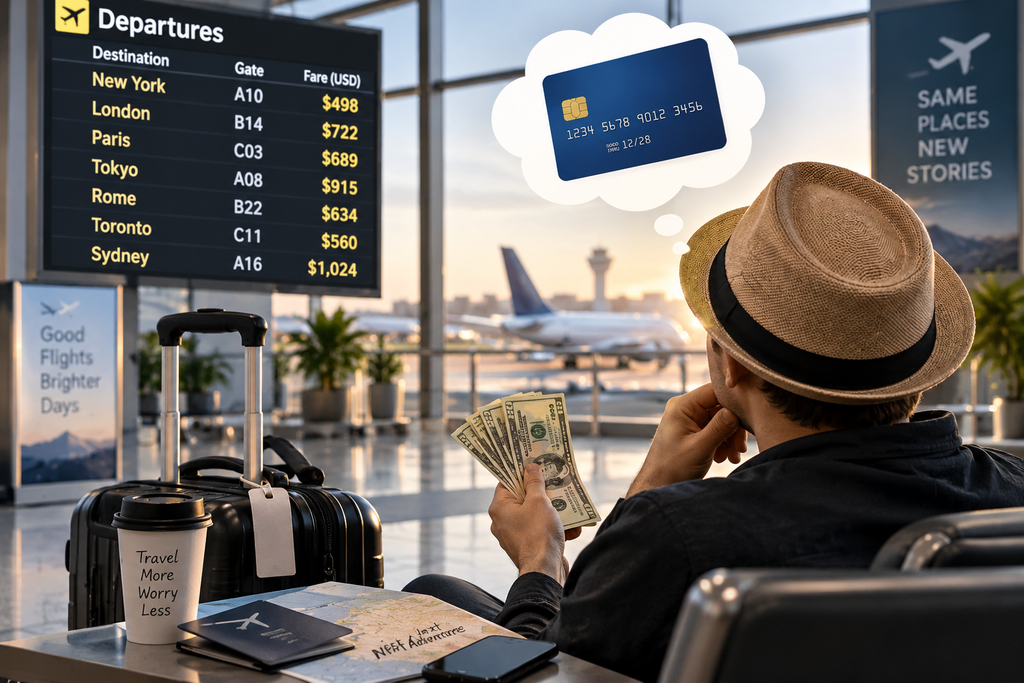
Airfare Prices Surge: Why Flights Are Getting More Expensive and What Travelers Can Do
August, 2026
If you have looked at airline tickets lately and thought, “When did flying get this expensive?”, you are not imagining it.
U.S. airline fares were 25.5% higher in July 2026 than they were a year earlier, according to the U.S. Bureau of Labor Statistics. Fares also increased 2.2% from June to July.
That does not mean every flight is 25% more expensive. Airfares can vary dramatically by route, airline, travel date, airport and availability.
But the overall trend is hard for budget travelers to ignore.
And if you are like me and would rather spend more of your vacation budget at the destination instead of getting there, the obvious question is:
What can we actually do about it?
Why Are Airfares Getting More Expensive?
There isn’t one single reason.
Several forces are pushing airfare higher at the same time.
1. Higher fuel costs are putting pressure on airlines
Jet fuel is a major airline expense. When energy costs rise, airlines face higher operating costs.
Recent reporting has linked the current airfare pressure to elevated oil and refining costs, while the broader U.S. energy index was still up 14.7% from a year earlier in July.
Fuel isn’t the entire explanation, though.
That is important.
Blaming every expensive ticket on fuel would oversimplify what is happening.
2. There are fewer seats on some routes
Airlines do not simply sell an unlimited number of tickets.
When an airline reduces flights or removes aircraft from a market, fewer seats are available. If people still want to travel, the remaining seats can become more valuable.
The abrupt shutdown of Spirit Airlines in May also reduced competition in parts of the U.S. market, giving remaining airlines more pricing power on some routes.
3. People still want to travel
Higher prices haven’t eliminated travel demand.
That matters because airfare is heavily influenced by supply and demand.
When many people want to fly and the number of available seats is limited, airlines have less reason to discount those seats.
4. The cheapest advertised fare may not be the real cost
This is one of the easiest things for budget travelers to overlook.
An airline may advertise a low base fare, but depending on the ticket and airline, travelers can face additional costs for checked baggage, seat selection, priority boarding and other extras.
NerdWallet notes that these additional charges are not fully reflected in the BLS airfare measure, even though they can have a significant impact on a traveler’s actual budget.
So don’t compare $199 versus $229 until you know what each ticket actually includes.
What Can Budget Travelers Do?
This is the part I care about most.
We can’t control the airline’s price.
We can control how we shop for the ticket.
1. Be flexible with your travel dates
This may be the most powerful tool available to a budget traveler.
Instead of deciding:
“I have to fly Friday.”
try:
“I need to be there Friday. What happens if I fly Wednesday or Thursday?”
A small change in departure or return dates can sometimes produce a very different fare.
If your schedule allows it, compare several combinations before buying.
2. Compare nearby airports
Your closest airport isn’t automatically your cheapest airport.
For someone in Central Florida, for example, Orlando International Airport may be the obvious choice. But depending on the destination and schedule, comparing other airports can sometimes uncover different fares.
The important part is to calculate the whole trip.
If you save $100 on airfare but spend $80 on parking, fuel and transportation to another airport, you haven’t really saved $100.
You’ve saved $20.
3. Use airfare price alerts
Don’t repeatedly search for the same flight hoping the price will magically change.
Set a price alert when possible and let the system track changes.
That gives you a chance to see whether the fare is moving before you commit.
Tools such as Google Flights can be useful for comparing dates, airports and fare changes.
4. Don’t assume the cheapest-looking ticket is the cheapest trip
This is where travelers can get fooled.
Imagine two tickets:
Flight A: $220
Flight B: $280
Flight A looks cheaper.
But then you discover:
- Checked bag: $70
- Seat selection: $35
- Airport transportation: $30
- Less convenient schedule: additional hotel or transportation cost
Flight B might actually be the better deal.
Compare the total trip cost, not just the headline airfare.
5. Consider traveling during less popular periods
If you have flexibility, avoid automatically choosing the busiest travel dates.
Holiday weekends, school breaks and peak vacation periods can put substantial pressure on airfare.
Traveling a few days earlier or later can sometimes make a meaningful difference.
The key word is flexibility.
6. Compare different destinations
This is an underrated strategy.
If you haven’t committed to one destination, search broadly.
Maybe the flight to City A is $800 while City B is $500.
If both destinations offer the type of experience you want, the cheaper flight could leave an extra $300 in your vacation budget.
That money could pay for several hotel nights, meals, transportation or activities.
7. Consider using points and miles carefully
Frequent-flyer miles, credit-card rewards and other travel points can sometimes reduce the amount of cash required for a flight.
But don’t treat points as “free money.”
Look at the actual value you’re getting and remember to consider taxes, fees, annual credit-card costs and any restrictions.
If the cash fare is already low, paying cash may sometimes make more sense.
8. Look beyond the airplane when the destination allows it
Sometimes the best way to fight an expensive flight is to reduce the number of flights you need.
For example, travelers visiting Europe can consider using trains between cities rather than booking multiple short-haul flights after arriving.
Traveluss has already covered this approach in [Europe by Rail From Orlando: Cost, Planning Guide, and What First-Time Travelers Need to Know], including airfare, rail transportation and other trip costs.
We’ve also covered Prague to Venice by Train, including estimated rail costs and ways to reduce transportation expenses.
The broader lesson is simple:
Look at the cost of the entire journey, not just the first airplane ticket.
Don’t Wait for a “Magic” Booking Day
You’ve probably heard the advice:
“Book your flight on Tuesday.”
I wouldn’t build your travel strategy around that.
There is no universal day of the week that guarantees the lowest airfare.
Airline pricing changes according to demand, inventory, route, competition, season and other factors.
Instead of chasing a magic booking day, focus on flexibility, price tracking and comparison.
Those are things you can actually control.
A Simple Budget Traveler Airfare Strategy
If I were planning a trip right now, I’d keep it simple.
Step 1: Pick the destination.
Step 2: Check several travel dates.
Step 3: Compare multiple airports.
Step 4: Set a price alert.
Step 5: Compare the total ticket cost, including baggage and other fees.
Step 6: Check whether points or miles make financial sense.
Step 7: Compare alternative transportation if you’re visiting multiple cities.
Step 8: Set a price you’re comfortable paying.
Then make the decision.
The goal isn’t necessarily to find the absolute cheapest ticket on the internet.
The goal is to find a reasonable total travel cost without making your trip miserable.
What About the Future?
This is the part nobody can predict with certainty.
Airfare can move in either direction as fuel prices, airline capacity, consumer demand and competition change.
So I would not tell travelers to wait for a guaranteed airfare crash.
There isn’t enough information to promise one.
What we do know is that airfare remained substantially higher year over year in the latest available BLS data, while some travel analysts expect elevated prices to continue putting pressure on travelers.
That makes smart comparison even more important.
The Bottom Line
Airfare prices are putting more pressure on travel budgets, but that doesn’t mean you have to give up on your next trip.
The biggest mistake is looking at one expensive fare and assuming that’s the price you have to pay.
Compare dates.
Compare airports.
Track prices.
Look at the total cost.
Consider alternative transportation.
And if your destination is flexible, compare destinations too.
You can’t control what airlines charge.
You can control how you shop.
For budget travelers, that difference can be worth hundreds of dollars.
Traveluss Travel Tip
Before buying your next airline ticket, take an extra 20 minutes to compare dates, airports, baggage costs and alternative routes.
That small amount of work could leave more money in your pocket—and that’s money you can actually enjoy once you arrive.
Traveluss may earn a commission from qualifying purchases or bookings made through selected links. This does not change what we recommend or the price you pay.
Worldwide Travel Advisory: What Travelers Need to Know About Flight Disruptions and Safety Alerts
July 2026
International travel can change quickly, especially when geopolitical events affect airspace and security. If you have an upcoming trip, understanding the latest travel advisories and preparing for possible disruptions can help you avoid unnecessary stress and make informed travel decisions.
Why Travelers Should Pay Attention to Worldwide Travel Advisories
Travel advisories are official notices issued by governments to inform citizens about potential risks when traveling internationally. These advisories may include information about:
- Security concerns
- Armed conflicts
- Civil unrest
- Terrorism
- Natural disasters
- Health-related risks
- Transportation disruptions
A travel advisory does not always mean you should cancel your trip. Instead, it helps travelers understand current conditions and prepare accordingly.
Recent tensions in parts of the Middle East have prompted several governments to issue updated worldwide travel advisories. While many destinations remain open to visitors, the situation has affected some international flight routes and airport operations.
How the Current Situation May Affect Your Trip
Even if you are not traveling to the Middle East, you could still experience changes to your itinerary.
Some possible impacts include:
- Flight rerouting to avoid restricted airspace
- Longer flight times
- Schedule changes
- Flight delays
- Flight cancellations
- Increased airport security procedures
Major international hubs connecting Europe, Asia, Africa, and the Middle East may experience operational adjustments depending on airline routing and safety assessments.
Before You Leave for the Airport
Taking a few simple steps before your trip can save time and reduce frustration.
Check Your Airline’s Flight Status
Airlines often update schedules as conditions change. Review your flight status before leaving home and enable airline notifications for real-time updates.
Review Official Travel Advisories
Government travel websites provide the latest information about destination-specific risks and recommendations.
Useful resources include:
- U.S. Department of State Travel Advisories
- Smart Traveler Enrollment Program (STEP) for U.S. citizens
- Your country’s official foreign affairs or travel advisory website
Give Yourself Extra Time at the Airport
Security measures may be increased during periods of international uncertainty.
Consider:
- Arriving earlier than usual
- Having travel documents easily accessible
- Preparing for additional security screening
Extra time can help reduce stress if airport procedures take longer than expected.
Review Your Travel Insurance
Travel insurance can provide valuable protection when unexpected events disrupt your plans.
Before your trip, check whether your policy includes coverage for:
- Trip interruption
- Flight delays
- Trip cancellation
- Emergency medical expenses
- Lost baggage
Coverage varies by provider, so understanding your policy before departure is important.
Keep Digital Copies of Important Documents
Store electronic copies of your:
- Passport
- Visa
- Travel insurance policy
- Airline tickets
- Hotel reservations
Having backup copies available can make replacing documents much easier if originals are lost.
Stay Flexible During International Travel
Travel conditions can change quickly.
If your itinerary includes connecting flights, consider:
- Allowing extra connection time
- Monitoring airport announcements
- Watching for airline notifications
- Keeping alternative travel options in mind
Flexibility often helps travelers handle unexpected schedule changes more comfortably.
Stay Informed Using Trusted Sources
Social media rumors can spread quickly during international events.
Instead, rely on official sources for accurate information, including:
- Government travel advisory websites
- Airline websites and mobile apps
- Airport announcements
- Official embassy or consulate communications
Using verified information helps travelers make better decisions and avoid unnecessary confusion.
Travel Safety Checklist
Before your next international trip:
✔ Check official travel advisories
✔ Confirm your flight status
✔ Purchase appropriate travel insurance
✔ Keep digital copies of important documents
✔ Enable airline travel notifications
✔ Arrive at the airport early
✔ Stay informed through official sources
Frequently Asked Questions
Should I cancel my trip because of a worldwide travel advisory?
Not necessarily. Travel advisories are designed to inform travelers about current conditions. Review the advisory for your destination, monitor airline updates, and decide based on your itinerary and comfort level.
Are all international flights affected?
No. Many flights continue operating normally. Some routes may be adjusted or delayed depending on airline safety decisions and airspace restrictions.
Can flight routes change after I book?
Yes. Airlines may reroute flights when necessary for passenger safety or operational reasons.
Where can I find reliable travel information?
Official government travel advisory websites and your airline’s website remain the most reliable sources for current travel information.
Traveluss Tip
Planning ahead is one of the best ways to reduce travel stress. Checking advisories, monitoring your flight, and understanding your travel insurance before departure can help you respond confidently if plans change.
Whether you’re traveling for business, vacation, or visiting family, staying informed is one of the most valuable travel tools you can carry.
Related Traveluss Articles
Consider linking this article to existing or future Traveluss content such as:
- Blue Springs State Park Travel Guide
- Honeymoon Island Visitor Guide
- Orlando Travel Tips
- Rome Travel Guide: What to See, Eat, Where to Stay & Travel Costs
- Exploring Hallandale Beach, Florida: Unveiling the Magic of the Guitar Hotel.
- Philippines Travel & Lifestyle Stories
- Florida Experiences, Food & Entertainment
Official Sources
This article was prepared using information from official government agencies and trusted news organizations.
- U.S. Department of State – Travel Advisories
- U.S. Department of State – Worldwide Caution
- Smart Traveler Enrollment Program (STEP), if relevant to the topic
- Official airline announcements (when applicable)
- Official tourism boards or government agencies (when applicable)

Europe’s New Digital Border System: What Every Traveler Should Know Before Your Next Trip
Published: July 2026
Category: Travel News | Europe Travel
Planning a trip to Europe? There’s an important travel update that could affect how you enter many European countries.
The European Union has fully implemented its Entry/Exit System (EES), a new digital border process that replaces passport stamping for most non-EU visitors. While the goal is to make border crossings more secure and efficient, some travelers are experiencing longer wait times as airports and border checkpoints adjust to the new technology.
If Europe is on your travel list, here’s what you need to know before you fly.
What Is the Entry/Exit System (EES)?
The Entry/Exit System (EES) is a computerized border system used by countries in the Schengen Area.
Instead of receiving a passport stamp every time you enter or leave, your visit is recorded electronically. During your first registration, border officials may collect:
- Your passport information
- A facial photograph
- Fingerprints
The system is designed to improve border security while creating a digital record of short-term visits.
Who Does It Affect?
The new system generally applies to non-EU travelers visiting Schengen countries for short stays, including many visitors from:
- United States
- Canada
- United Kingdom
- Australia
- New Zealand
- Other visa-exempt countries
If you’re unsure whether it applies to your nationality, check your destination country’s official travel information before your trip.
Will It Delay Your Trip?
Possibly.
As the system continues to roll out across Europe, some airports, ferry ports, and land crossings have reported longer processing times, especially during busy holiday travel periods. Authorities expect improvements as travelers and border staff become more familiar with the new procedures.
How to Prepare Before You Travel
A little preparation can make your arrival much smoother.
✔ Check Your Passport
Make sure your passport is valid for your entire trip and meets your destination’s entry requirements.
✔ Arrive Earlier
International flights may require additional time for border processing, especially during peak travel seasons.
✔ Keep Your Travel Documents Handy
Have your passport, return ticket, accommodation details, and any required travel documents easily accessible.
✔ Follow Instructions at Border Control
You may be asked to look into a camera or provide fingerprints during your first registration.
Which Countries Use the EES?
The system is used across participating Schengen Area countries, including popular destinations such as:
- France
- Spain
- Italy
- Germany
- Netherlands
- Portugal
- Greece
- Austria
- Belgium
and many others within the Schengen travel zone.
Good News for Travelers
Although the new process may take a little longer during busy periods, it is designed to:
- Reduce manual paperwork
- Replace passport stamps with digital records
- Improve border security
- Create a more consistent entry process across participating countries
As airports gain experience with the system, many travelers can expect a smoother process in the future.
Traveluss Tips
Before leaving home:
- Double-check your passport expiration date.
- Keep digital and printed copies of important travel documents.
- Arrive at the airport earlier than usual during peak travel periods.
- Follow your airline’s latest travel advisories before departure.
- Purchase travel insurance for added peace of mind in case of delays or unexpected changes.
Final Thoughts
The new Entry/Exit System doesn’t mean Europe is becoming harder to visit—it simply changes how border checks are handled.
For most travelers, the biggest adjustment will be allowing a little extra time when arriving in Europe, especially during busy travel seasons. Being prepared before your trip can help you avoid unnecessary stress and start your vacation on the right foot.
Safe travels!
Continue Planning Your Trip
If you’re visiting Europe soon, you may also enjoy these Traveluss guides:
- Amsterdam to Berlin by Train
- Where to Stay in Berlin
- Prague, Czechia: What to See, Eat, Where to Stay & Travel Costs
- First-Time Europe Rail Travel Guide