
Planning your first European train adventure? One of the most popular routes starts in Amsterdam, Netherlands, and heads east to Berlin, Germany. The journey is comfortable, scenic, and much easier than many first-time visitors expect.
The biggest question isn’t whether you can get to Berlin—it’s whether you should stay there or continue on to Prague in the Czech Republic. The good news is that you don’t have to decide until you get there.
This guide covers train travel, estimated costs, where to stay, what to eat, the attractions worth your time, and what to do next once you arrive in Berlin.
Travel Tip: Prices below are estimates in U.S. dollars and may change depending on the season, exchange rates, and how early you book.
Amsterdam to Berlin by Train
Departure Station
Your journey begins at Amsterdam Centraal Station, the city’s main railway hub.
Unlike flying, train travel is simple. Arrive about 30 to 45 minutes before departure, locate your platform, board your train, and relax.
Most international trains include:
- Comfortable seats
- Wi-Fi (on many services)
- Power outlets
- Restrooms
- Food or snack service
There are usually no airport-style security lines, making boarding much faster than flying.
How Long Is the Train Ride?
Estimated travel time
6–7 hours
Depending on your departure, you may travel on a direct train or make one easy connection.
Estimated ticket prices
- Book early: $45–80
- Standard fares: $80–120
- Last-minute bookings: Up to $150 or more
Booking several weeks ahead usually provides the best value.
Arriving in Berlin
You’ll arrive at Berlin Hauptbahnhof, Germany’s largest and busiest railway station.
This modern station is an excellent place to begin exploring because many of Berlin’s famous landmarks are only a short walk or subway ride away.
What Should You See in Berlin?
If you’re a history enthusiast, Berlin offers outstanding museums covering World War II, the Cold War, and German history.
But what if you’re not really a museum person?
Don’t worry.
You can still experience the best of Berlin without spending hours indoors.
Don’t Miss
Brandenburg Gate
Berlin’s most recognizable landmark and one of Germany’s national symbols.
Reichstag Dome
Walk beneath the famous glass dome while enjoying panoramic views across Berlin.
Berlin Wall Memorial
One of the most meaningful places in the city, preserving sections of the original Berlin Wall and explaining the division between East and West Germany.
East Side Gallery
The world’s longest remaining stretch of the Berlin Wall, now transformed into an open-air art gallery.
Checkpoint Charlie
The famous Cold War border crossing between East and West Berlin.
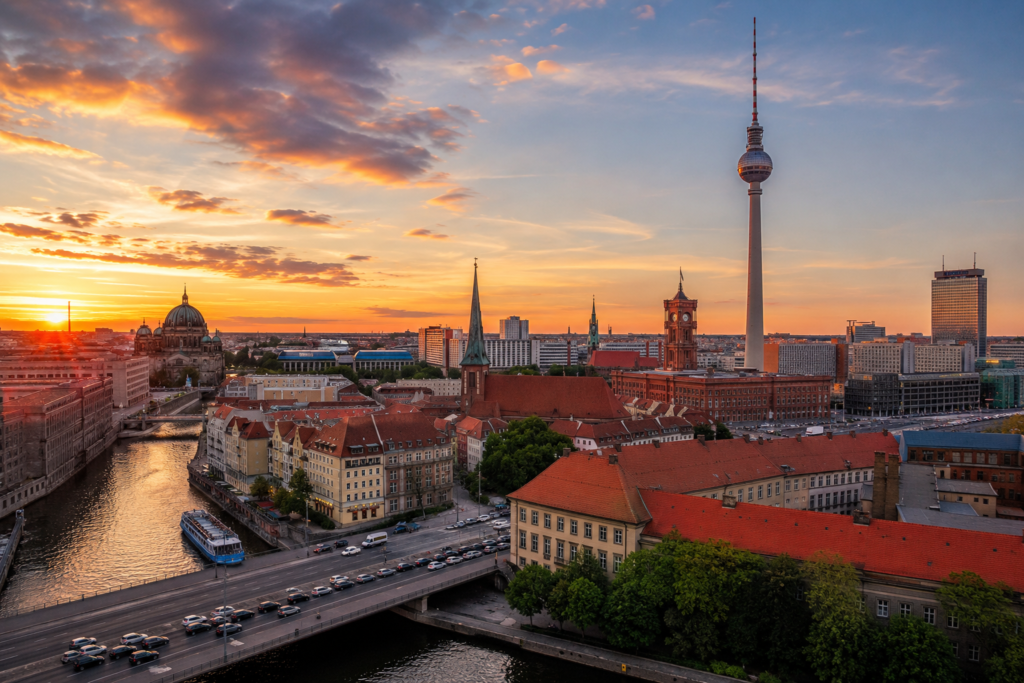
Berlin TV Tower
One of the tallest structures in Germany, offering spectacular city views from its observation deck.
If Museums Aren’t Your Thing
You won’t miss the heart of Berlin by skipping most museums.
The landmarks above tell Germany’s story while allowing you to spend more time exploring the city itself.
How Far Are These Attractions From Berlin Central Station?
From Berlin Hauptbahnhof
- Brandenburg Gate – 15–20 minute walk
- Reichstag Dome – 10–15 minute walk
- Holocaust Memorial – 20-minute walk
- Checkpoint Charlie – about 15 minutes by subway
- East Side Gallery – about 20 minutes by S-Bahn
Getting around Berlin is easy using public transportation.
Where Should You Stay?
For most visitors, staying near Berlin Hauptbahnhof saves both time and money.
You’ll have quick access to public transportation and can easily continue your rail journey.
Estimated Hotel Prices
Budget Hostels
$35–70 per night
Budget Hotels
$90–140 per night
Mid-Range Hotels
$150–250 per night
Luxury hotels are available throughout the city if your budget allows.
Food Budget
Berlin offers food for nearly every budget.
Typical Daily Prices
Breakfast
$8–15
Lunch
$12–20
Dinner
$20–35
Quick meals such as Döner Kebab or Currywurst
$7–12
If you’re traveling on a budget, supermarkets such as Aldi, Lidl, REWE, and Edeka offer affordable meals and snacks.
Is Berlin Worth Staying For?
If you enjoy:
- History
- Architecture
- Photography
- Walking tours
- European culture
then spending two or three days in Berlin is well worth it.
However, every traveler is different.
If Berlin doesn’t match your interests, there’s no need to stay longer than you’d like.
That’s one of the best parts of European rail travel.
Continue Your Journey—or Head Back
Once you’ve explored Berlin, simply return to Berlin Hauptbahnhof.
From there you have two easy options.
Return to Amsterdam
Travel time:
Approximately 6–7 hours
Direct services generally operate throughout the day.
Continue to Prague, Czechia
Travel time:
Approximately 4–5 hours
Direct trains also run regularly throughout the day.
This is where many travelers continue their European adventure.
Berlin or Prague?
If you’re deciding between the two:
Choose Berlin if you enjoy modern history, Cold War landmarks, and iconic architecture.
Choose Prague if you’re looking for medieval streets, castles, charming cafés, and a fairy-tale atmosphere.
The good news?
You don’t have to choose only one.
They’re connected by one of Europe’s most popular rail routes.
Estimated Berlin Budget (2 Nights)
| Expense | Estimated Cost |
|---|---|
| Train Ticket | $45–150 |
| Hotel | $180–280 |
| Food | $70–120 |
| Local Transportation | $20–40 |
| Attractions | $20–80 |
| Estimated Total | $335–670 |
Helpful Travel Tips
- Book train tickets early to save money.
- Stay near Berlin Hauptbahnhof for convenience.
- Wear comfortable walking shoes.
- Carry a reusable water bottle.
- Download offline maps before arriving.
- Keep some local currency or a credit card for small purchases.
Final Thoughts
Amsterdam and Berlin make an excellent introduction to European train travel. The journey is comfortable, the transportation system is easy to understand, and Berlin offers enough history and landmarks to fill several days.
If you fall in love with Germany, stay longer.
If you’re ready for another country, simply board the next train to Prague and continue your adventure.
That’s one of the greatest advantages of exploring Europe by rail—you decide when the next chapter begins.
Next on Our Europe Rail Adventure: Prague, Czechia
Affiliate Disclosure: Some links on this page may be affiliate links. If you make a purchase through them, Traveluss may earn a small commission at no additional cost to you. This helps support the site and allows us to continue creating free travel guides for readers.
✈️ Travel Essentials
Before your trip, browse our recommended travel gear and accessories for luggage, travel organizers, power adapters, RFID wallets, packing cubes, travel pillows, and other essentials that can make your journey more comfortable.
Pingback: Prague, Czechia: What to See, Eat, Where to Stay & Travel Costs (2026 Guide) – Traveluss.com